Skip to content
Choosing between a distributor and manufacturer for your wholesale sex toy business can make or break your profit margins. Many adult toy retailers lose thousands in potential revenue by selecting the wrong partnership model for their specific needs.
Working directly with sex toy manufacturers typically reduces costs by 20-35% compared to distributors, while offering complete product customization and quality control. However, distributors provide faster market entry and established product catalogs for brands testing new segments.

After 15 years in the adult novelty wholesale industry, I've guided hundreds of brands through this critical decision at VF Pleasure. Let me share what I've learned about each approach.
What Are the Real Cost Differences Between Manufacturers and Distributors?
The financial gap between these partnership models often surprises new retailers. Most brands underestimate the long-term impact of their initial supplier choice.
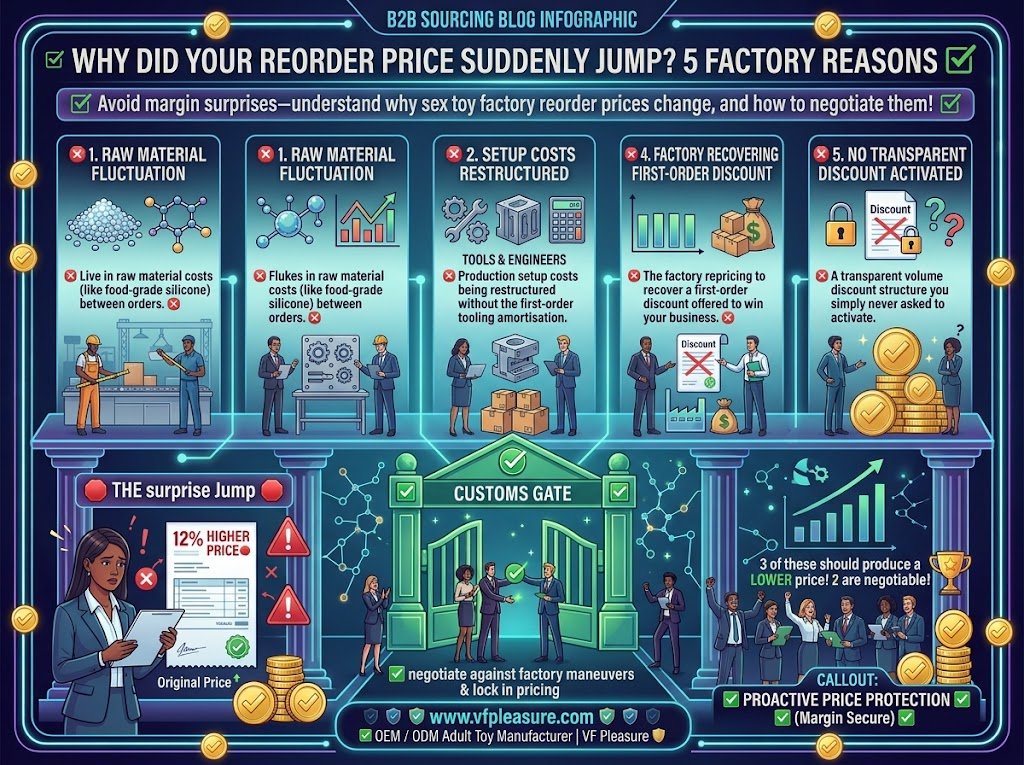
Direct manufacturer partnerships typically offer 20-35% lower per-unit costs compared to distributors, as you eliminate middleman markups. However, manufacturers often require higher minimum order quantities and longer lead times than distributors.

Understanding the True Cost Structure
Working directly with our adult toy factory means you're paying manufacturing cost plus our margin. There's no additional layer adding markup.
Distributors buy from manufacturers like us, then add their own profit margins. This creates a pricing cascade that significantly impacts your bottom line.
I've calculated real numbers for my clients. A vibrator that costs $12 from our factory might cost $18-20 from a distributor. Over thousands of units, this difference becomes substantial.
Manufacturer Advantages:
- Direct factory pricing without middleman markup
- Access to proprietary materials and designs
- Complete quality control oversight
- Exclusive product development capabilities
Distributor Benefits:
- Lower minimum order quantities
- Immediate product availability
- Established product catalogs
- Simplified ordering processes
The volume threshold where direct manufacturing becomes profitable varies. Most of my clients see clear advantages once they're ordering 500+ units monthly of specific products.
How Does Product Customization Differ Between These Models?
Product differentiation separates successful brands from competitors using identical catalog items. The customization capabilities between manufacturers and distributors are dramatically different.
Manufacturers offer complete product customization including materials, colors, features, and packaging, while distributors typically provide only basic branding options on existing products.

Deep Customization Through Direct Manufacturing
At our custom sex toys factory, we develop unique products that competitors cannot replicate. This includes proprietary motor patterns, exclusive material formulations, and distinctive design elements.
I recently worked with a brand creating a custom vibrator with seven unique pulsation modes. No distributor could offer this level of customization.
Manufacturing Customization Options:
- Completely unique product designs
- Proprietary motor and vibration patterns
- Custom material formulations and textures
- Exclusive color schemes and finishes
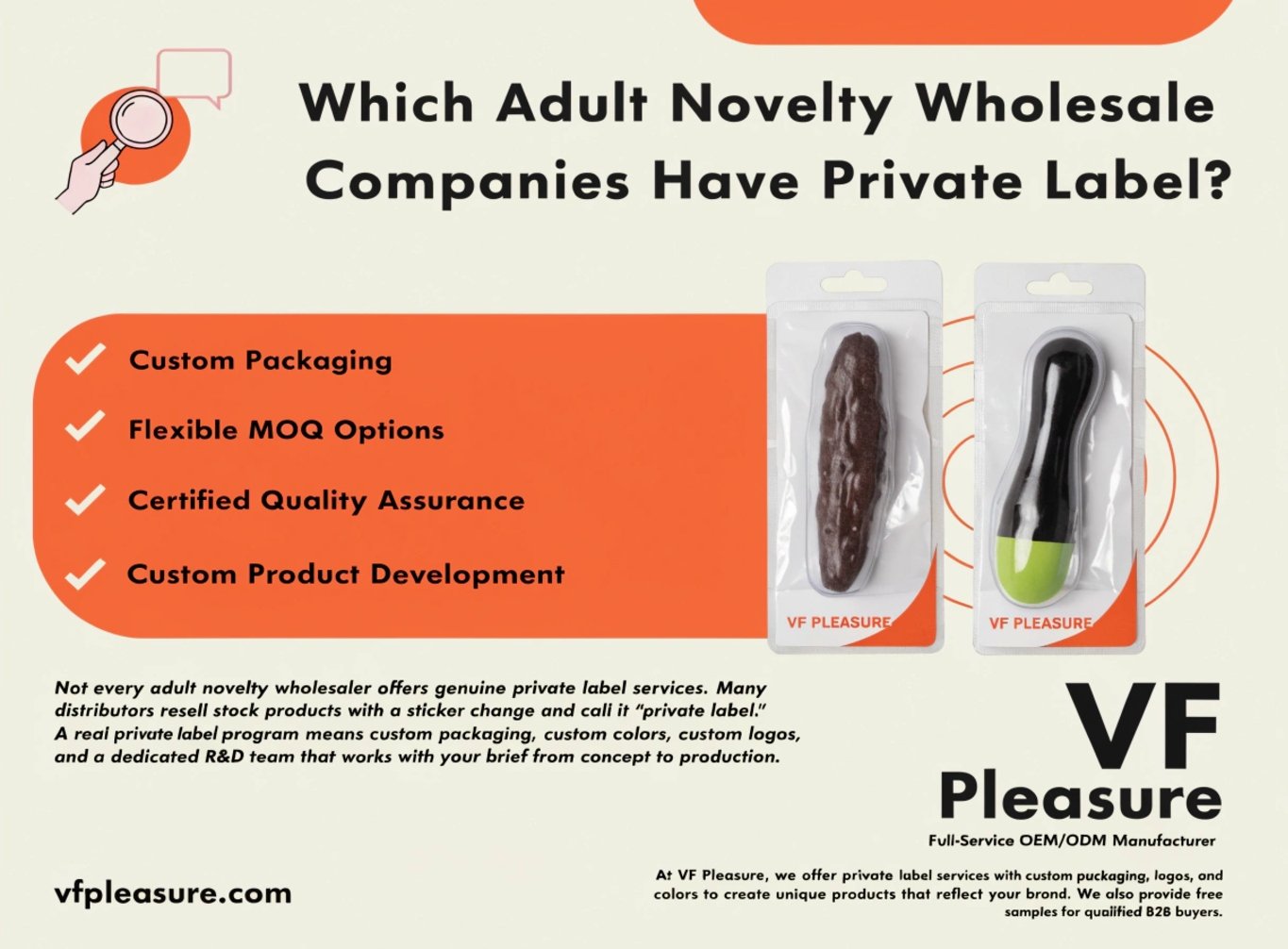
- Personalized packaging and branding
Distributor Limitations:
- Basic logo placement on existing products
- Limited color variations from available options
- No structural or functional modifications
- Standard packaging with minimal customization
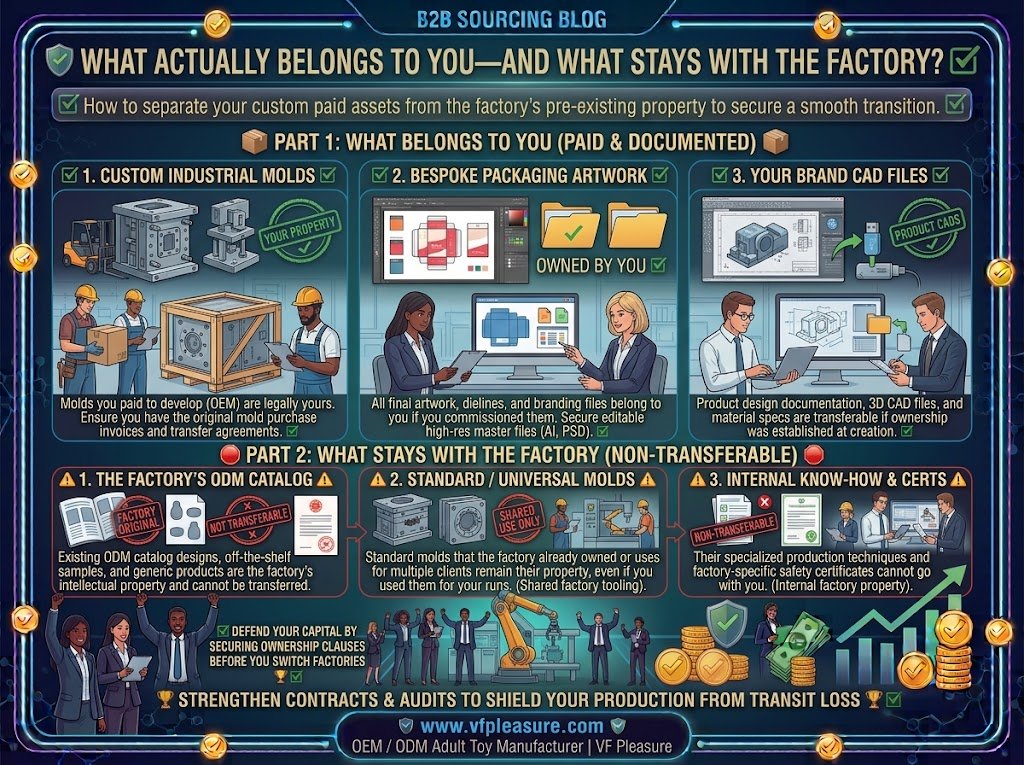
The investment in custom tooling ranges from $3,000-15,000 depending on complexity. However, this creates a competitive moat that protects your market position.
Many successful brands start with distributor products to test market demand, then transition to custom adult toys once they identify winning products.
Which Model Provides Better Quality Control and Support?
Quality consistency directly impacts customer satisfaction and return rates. The quality control capabilities between manufacturers and distributors create entirely different risk profiles.
Direct manufacturer relationships provide complete visibility into production processes and quality standards, while distributors offer limited quality oversight but faster issue resolution through established inventory systems.

Manufacturing Quality Advantages
Working directly with our production team means you understand every aspect of manufacturing. Our clients visit our facilities, review material certifications, and witness production processes firsthand.
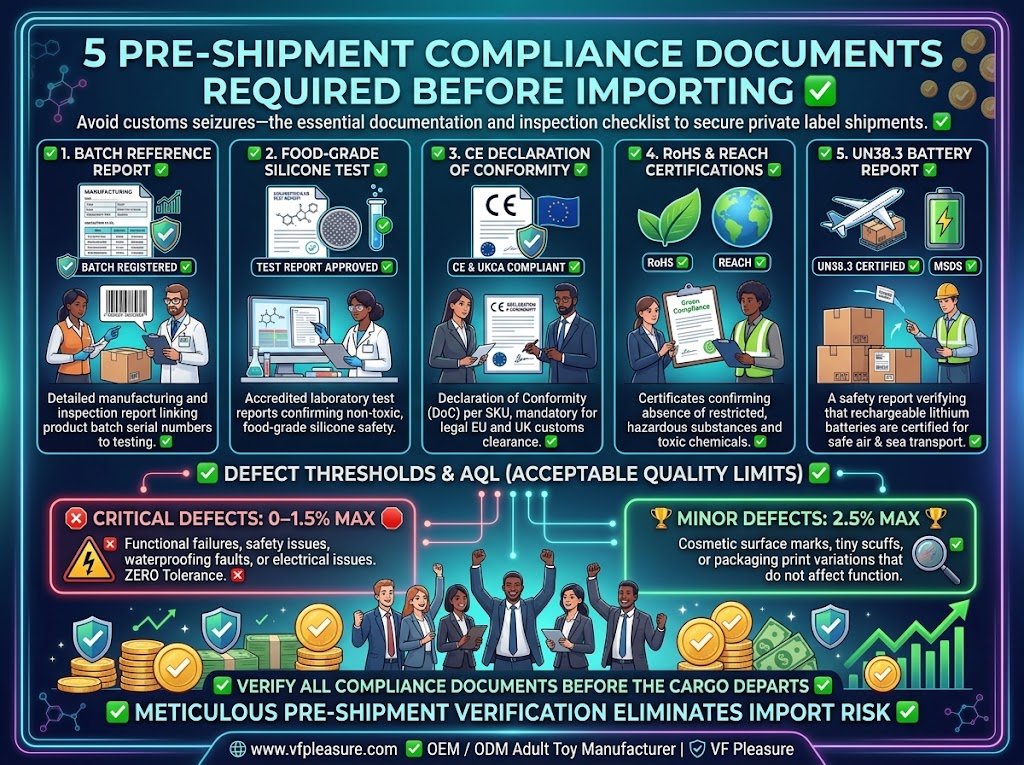
I provide detailed quality reports1 including material testing, functionality verification, and packaging inspection. This transparency builds confidence in product consistency.
- Direct oversight of production standards
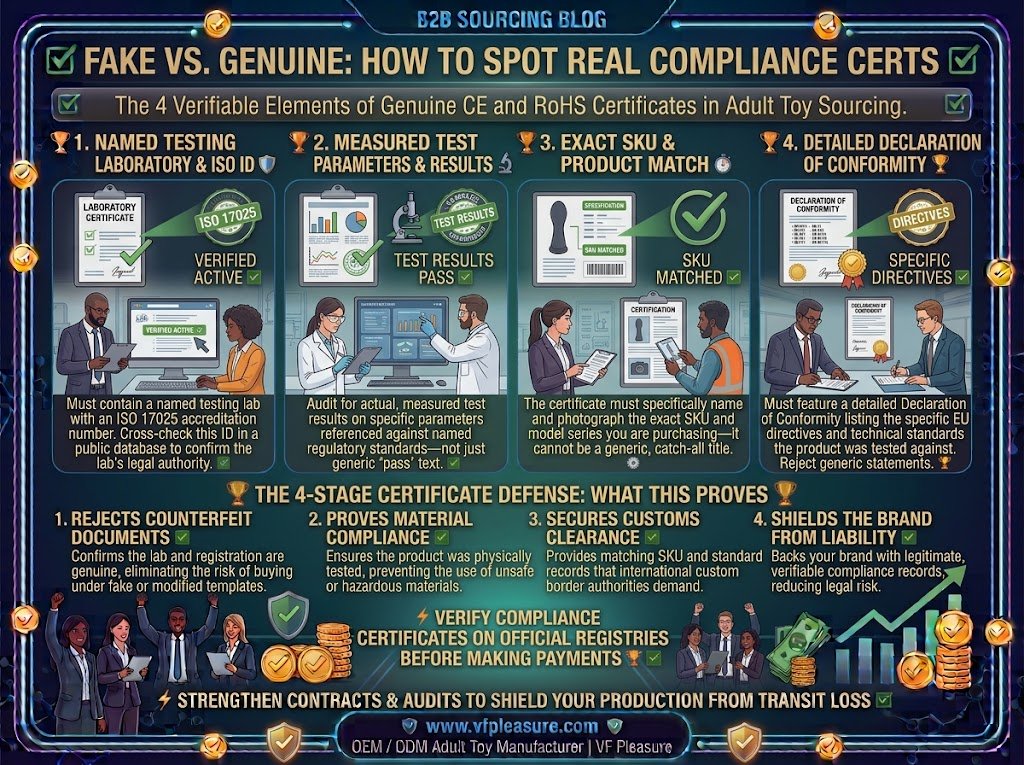
- Material certification and testing access
- Custom quality specifications implementation
- Immediate communication with production teams
- Detailed quality reporting and documentation
Support Advantages:
- Technical expertise from manufacturing engineers
- Product development guidance and consultation
- Market trend insights from industry experience
- Long-term partnership development focus
What Are the Market Entry Speed Differences?
Time-to-market considerations affect cash flow and competitive positioning. Each model offers distinct advantages for different business timelines and strategies.
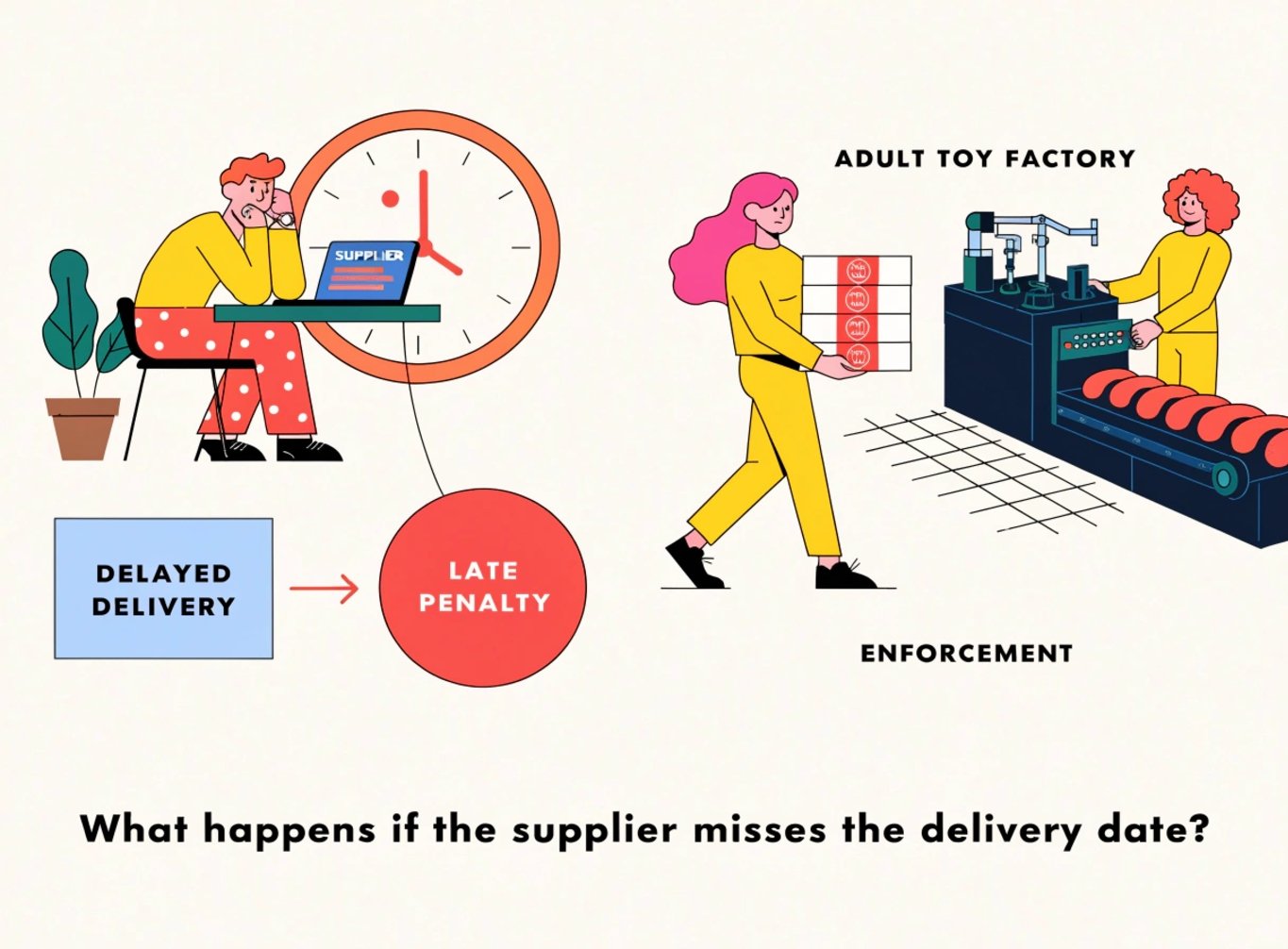
Distributors enable immediate market entry with existing inventory, while manufacturers require 30-90 days for production but offer superior long-term positioning through exclusive products.

Distributor Speed Advantages
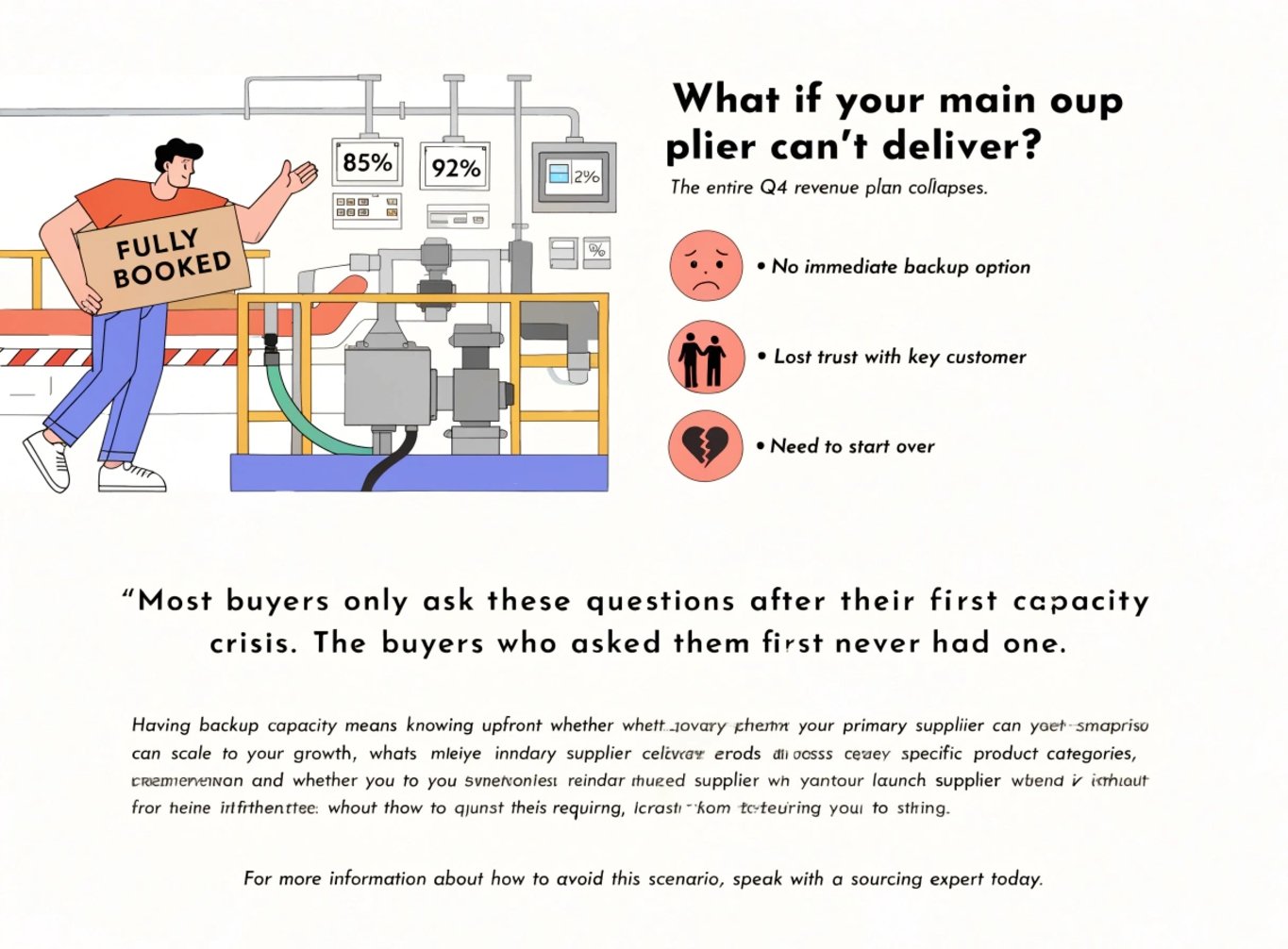
Established sex toy distributors maintain ready inventory for immediate shipping. This suits brands testing new market segments or requiring rapid inventory replenishment.
Most distributors ship within 24-48 hours, enabling quick response to market opportunities or seasonal demand spikes.
However, you're competing with identical products available to every other retailer using the same distributor.
Manufacturing Timeline Considerations
Our typical production timeline ranges from 30-90 days depending on customization complexity. New product development requires additional time for sampling and testing phases.
The longer timeline creates challenges for immediate market opportunities but enables strategic positioning through exclusive products that competitors cannot easily replicate.
I recommend hybrid approaches for many clients - using distributors for market testing while developing exclusive manufacturing products for long-term differentiation.
Conclusion
Choose manufacturers for long-term competitive advantage and higher margins, or distributors for immediate market entry and simplified operations.