Skip to content
Receiving defective adult toys from Chinese suppliers can destroy your wholesale business overnight through customer complaints and safety issues. Poor quality verification processes leave you vulnerable to manufacturing defects, safety problems, and regulatory violations. Systematic quality verification protects your investment and reputation.
Verify adult toy quality from Chinese suppliers through physical sample evaluation from multiple production batches, documentation verification including third-party testing certificates, factory audits assessing cleanliness and equipment standards, and independent quality assurance inspections with clear quality benchmarks and acceptable defect rates.

After refining quality verification through countless supplier relationships at VF Pleasure, I know exactly how to protect wholesale clients from quality disasters and ensure consistent product standards.
What Physical Testing Should You Perform on Sample Products?
You might assume that one sample represents entire production quality, but that's a dangerous mistake. Smart verification requires testing multiple samples from different production batches to identify consistency issues and manufacturing variations. Showcase samples often hide quality problems found in regular production.
Physical testing should include multiple samples from different production batches, material consistency evaluation, functionality duration testing, build quality assessment, surface texture analysis, seam integrity inspection, and motor performance verification. Single samples cannot reveal manufacturing consistency or production variations.

Comprehensive Sample Evaluation Methods
At our facility, I implement multiple verification layers because wholesale clients depend on consistent quality for their reputation and regulatory compliance. Physical sample evaluation serves as my first line of defense against quality problems that can devastate wholesale relationships.
Request samples from different production runs. I always demand samples from at least three separate production batches, not just showcase pieces created specifically for evaluation. Production quality often varies significantly from sample quality, particularly during high-volume manufacturing periods. Our [custom sex toys](https://www.linkedin.com/pulse/custom-adult-toy-manufacturing-services-your-definitive-amos-mok)1 development process includes batch sampling to ensure consistency across production runs.
Test material consistency2 across samples. Surface texture, flexibility, and material density should remain identical between samples from different batches. I personally examine each sample for material variations, color consistency, and tactile properties. Inconsistent materials indicate poor quality control and suggest future production problems that will affect your customers.
Evaluate functionality duration through stress testing. Adult products must withstand repeated use without performance degradation. I test motor endurance, battery life, and vibration consistency over extended periods. Our [vibrator](https://thetoy.org/how-we-test-and-review-vibrators/)3 testing includes 100-hour continuous operation cycles to identify potential failure points before wholesale distribution.
Assess build quality and manufacturing precision. Examine seam integrity, component alignment, and finishing quality under magnification. Poor seam work indicates inadequate manufacturing processes that will create customer complaints. I inspect every joint, connection point, and surface finish to ensure professional manufacturing standards.
Document testing results systematically4. Create detailed testing reports including photographs, measurements, and performance data for each sample. This documentation helps you compare suppliers objectively and provides evidence for quality discussions. Systematic documentation also supports warranty claims and supplier negotiations.
How Do You Verify Documentation and Certifications?
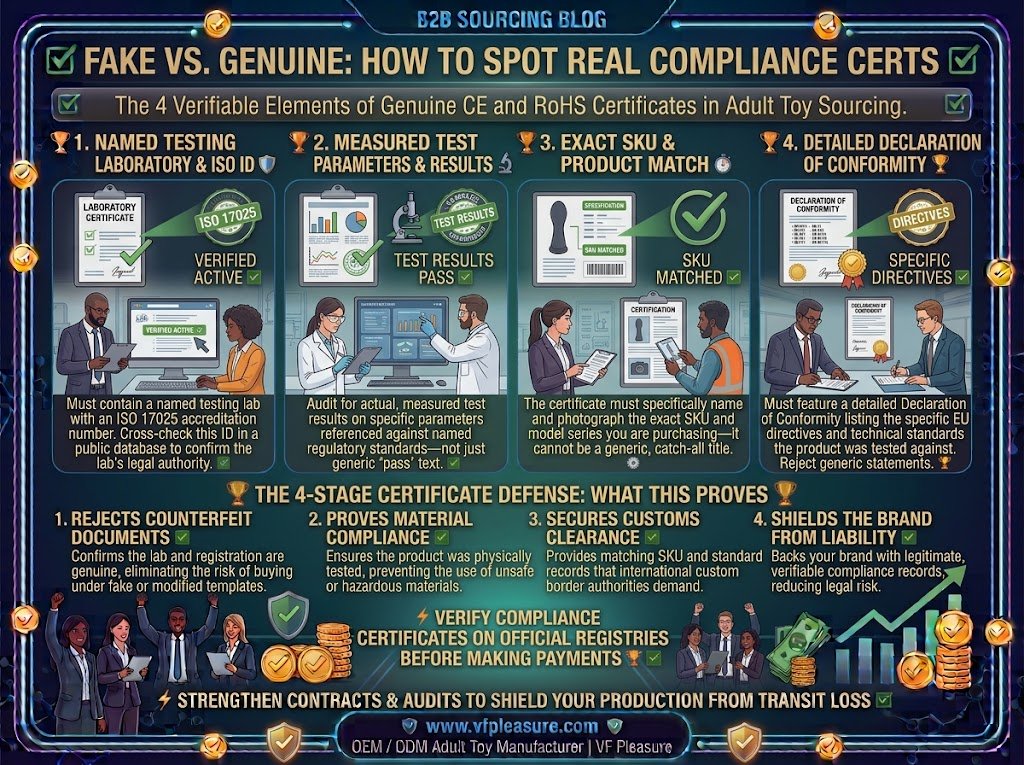
Impressive-looking certificates mean nothing if they're fake, outdated, or don't apply to your specific products. Many Chinese suppliers provide generic documentation that doesn't actually verify the quality or safety of items you're purchasing. Real verification requires examining certificate authenticity, laboratory accreditation, and testing relevance.
Verify documentation by confirming laboratory accreditation, checking certificate dates and batch numbers, contacting testing facilities directly, requesting manufacturer-specific rather than generic certificates, and ensuring testing covers your specific product materials and components. Generic certificates provide no meaningful quality assurance.

Documentation Authentication Techniques
Through my manufacturing experience, I've learned that documentation verification requires specific techniques that separate legitimate quality assurance from sophisticated-looking fake certificates. Many suppliers count on wholesalers not verifying documentation authenticity.
Confirm laboratory accreditation independently. Contact testing laboratories directly to verify that certificates are genuine and current. Legitimate laboratories maintain public databases of accredited services and can confirm certificate authenticity. I provide wholesale partners with direct laboratory contact information because authentic quality documentation withstands verification.
Examine certificate dates and batch correlation. Quality certificates should reflect recent testing, ideally within six months, and include batch numbers that correspond to your actual products. Outdated certificates don't prove current production quality, and generic batch numbers suggest the testing doesn't apply to your specific order. Our female sex toys documentation includes batch-specific testing for each production run.
Verify testing scope matches your products. Certificates should specifically address the materials, components, and manufacturing processes used in your products. Generic industry certificates don't prove that your supplier uses compliant materials or follows proper manufacturing procedures. I provide manufacturer-specific testing that directly relates to wholesale partner requirements.
Request detailed manufacturing process documentation. Quality suppliers provide manufacturing process flows, quality control checkpoints, and inspection procedures. This documentation reveals the supplier's actual quality management capabilities beyond basic certificates. Our detailed process documentation helps wholesale partners understand exactly how quality is maintained throughout production.
Validate third-party testing relationships. Legitimate suppliers maintain ongoing relationships with accredited testing facilities and can provide references for their quality assurance programs. Suppliers using multiple testing facilities or frequently changing laboratories may indicate quality control problems or certificate authenticity issues.
What Should You Look for During Factory Audits?
Factory visits reveal quality capabilities that no amount of documentation can fake, but knowing what to examine during audits determines whether you identify real quality indicators or get fooled by superficial appearances. Experienced suppliers can stage impressive facility tours that hide serious quality control deficiencies.
Factory audits should assess cleanliness standards, equipment maintenance protocols, worker training programs, quality control systems, material storage conditions, and production workflow organization. ISO certification provides baseline quality management, but operational assessment reveals actual implementation and consistency.

Critical Factory Assessment Areas
Factory audits have proven invaluable when establishing long-term partnerships because they reveal operational capabilities that determine consistent quality delivery. I visit facilities personally to assess standards that directly impact product quality and manufacturing reliability.
Evaluate cleanliness and contamination control5. Adult product manufacturing requires exceptional cleanliness to prevent contamination that could cause health problems. I examine air filtration systems, worker hygiene protocols, and material handling procedures. Clean facilities indicate attention to detail that extends throughout quality management. Our DongGuang facility maintains medical-device-level cleanliness standards because contamination control affects product safety.
Assess equipment maintenance and calibration6. Well-maintained equipment produces consistent quality, while poorly maintained machinery creates defects and safety problems. I inspect injection molding equipment, testing instruments, and quality control devices for proper maintenance records and calibration certificates. Equipment condition directly correlates with production quality consistency.
Review worker training and quality awareness7. Skilled workers produce better products and identify quality problems before they become widespread issues. I observe training programs, quality education materials, and worker engagement with quality procedures. Our comprehensive training programs ensure every worker understands their role in maintaining product quality and safety standards.
Examine quality control checkpoint implementation8. Effective quality control requires systematic inspection at multiple production stages, not just final product testing. I evaluate in-process inspection procedures, testing equipment capabilities, and quality data recording systems. Robust quality control systems prevent defective products from reaching customers.
Investigate material storage and handling. Proper material storage prevents contamination, degradation, and quality variations that affect finished products. I inspect storage conditions, material identification systems, and handling procedures that maintain material integrity. Poor material management creates quality problems that appear during customer use rather than initial testing.
Document audit findings systematically. Create detailed audit reports including photographs, observations, and recommendations for improvement. This documentation supports supplier selection decisions and provides baseline information for ongoing quality monitoring. Systematic audit documentation also helps identify quality trends and improvement opportunities.
How Do Independent Quality Inspections Protect Your Investment?
Relying solely on supplier self-reporting creates dangerous blind spots that can cost you everything when quality problems reach customers. Independent verification provides objective quality assessment and catches issues that internal quality control might miss through bias, incompetence, or deliberate concealment.
Independent quality inspections provide objective assessment through surprise facility visits, pre-shipment product testing, batch sampling verification, and third-party quality reporting. These services cost 1-3% of order value but prevent quality disasters that can cost 10-50 times more through recalls, returns, and reputation damage.

Implementing Third-Party Quality Assurance
I've developed relationships with independent quality assurance firms in China who conduct surprise inspections and pre-shipment quality checks because external verification protects wholesale investments and customer relationships from supplier quality failures.
Schedule surprise facility inspections. Unannounced visits reveal actual production conditions rather than staged presentations. Independent inspectors assess real manufacturing conditions, worker practices, and quality control implementation without advance preparation. These inspections identify quality problems that scheduled visits might miss due to temporary improvements.
Conduct pre-shipment product inspections. Third-party inspectors test finished products immediately before shipping using your specific quality criteria. This final verification catches defects, functionality problems, and specification deviations before products reach your customers. Our private label sex toys program includes pre-shipment inspection to ensure quality consistency.
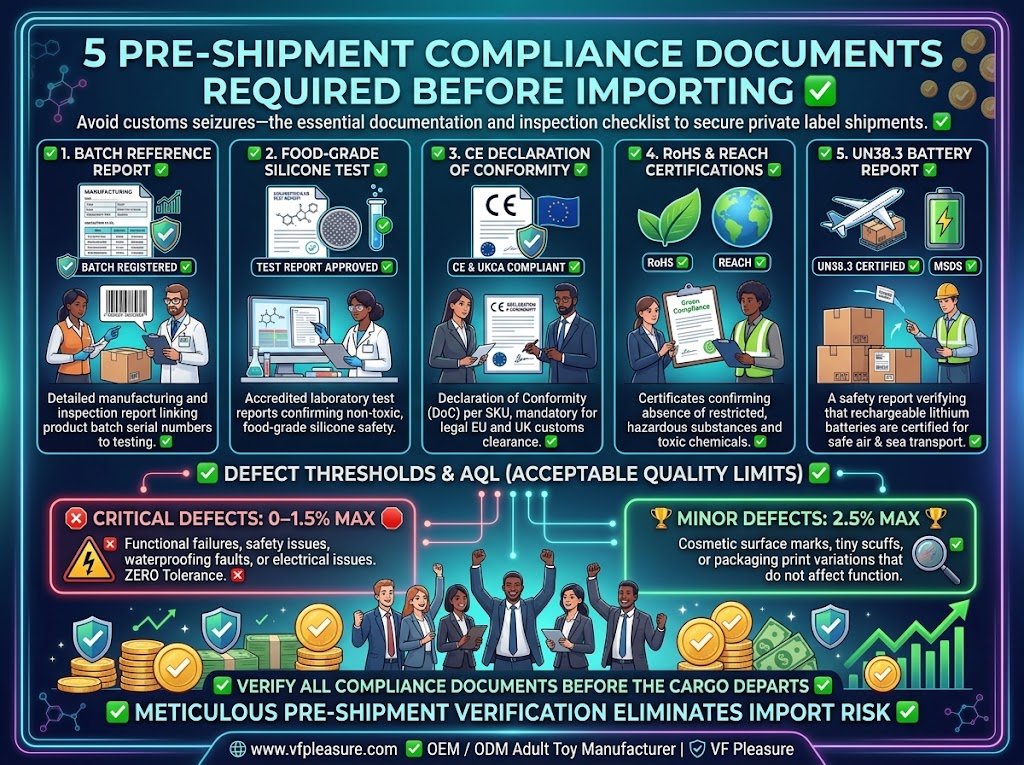
Implement statistical sampling protocols. Professional quality inspectors use AQL (Acceptable Quality Level) sampling standards that provide statistically valid quality assessment based on order quantities. Random sampling eliminates supplier manipulation of inspection samples and provides objective quality measurement. Proper sampling protocols reveal quality trends and consistency patterns.
Establish clear rejection criteria. Define specific quality benchmarks including acceptable defect rates, functionality standards, and material specifications before inspection begins. Clear criteria eliminate subjective quality judgments and provide concrete standards for acceptance or rejection decisions. Our wholesale partners establish detailed quality specifications that guide inspection processes.
Monitor quality trends over time. Independent inspection services provide quality data that reveals supplier performance trends, seasonal variations, and improvement opportunities. This long-term quality monitoring helps you identify potential problems before they affect customer satisfaction. Trend analysis also supports supplier performance discussions and contract negotiations.
Verify compliance with safety standards. Independent inspectors test products against relevant safety standards and regulatory requirements for your target markets. This verification ensures regulatory compliance and reduces liability risks associated with unsafe products. Safety compliance testing protects your business from regulatory penalties and liability claims.
Conclusion
Quality verification requires systematic sample testing, documentation authentication, factory audits, and independent inspections to protect wholesale investments from manufacturing defects, safety problems, and supplier quality failures.
-
Explore this link to understand the essential steps in creating high-quality custom sex toys that meet market demands. ↩
-
Learn why maintaining material consistency is crucial for product quality and customer satisfaction in manufacturing. ↩
-
This resource will guide you through effective testing methods to ensure vibrators meet safety and performance standards. ↩
-
Discover how systematic documentation can enhance quality control and supplier negotiations in your production process. ↩
-
Understanding best practices in cleanliness can enhance product safety and quality in your manufacturing processes. ↩
-
Learn how proper maintenance and calibration can significantly improve production quality and reduce defects. ↩
-
Explore how effective training programs can empower workers to maintain high-quality standards and prevent issues. ↩
-
Discover strategies for implementing quality control checkpoints to ensure consistent product quality throughout production. ↩